Be yourself; Everyone else is already taken.
— Oscar Wilde.
This is the first post on my new blog. I’m just getting this new blog going, so stay tuned for more. Subscribe below to get notified when I post new updates.
Be yourself; Everyone else is already taken.
— Oscar Wilde.
This is the first post on my new blog. I’m just getting this new blog going, so stay tuned for more. Subscribe below to get notified when I post new updates.
In 2013 BMW introduced their first fully electric car in the US. It was a subcompact city car called the i3. It represented a significant rethinking of how cars could function in terms of power, utility, and visuals. It was discontinued this year due to dismal sales figures: only 851 were sold in the US 2021 (BMWblog).

BMW now says that most of their line will be fully electric by 2025, but the new designs are no longer significantly rethunk. They just look like cars. They are skeuomorphs.
A skeuomorph is a design feature whereby an object is made to look like a different object that previously served the same purpose. We see this type of design pop up often in computer user interfaces to make software use more intuitive. For example, the calendar app in most devices visually resembles the paper calendar that used to hang in most offices. In music software, various effects are visually designed to look like their hardware counterparts. This type of design makes things easier to use at the cost of some visual efficiency.
Getting back to cars, we see skeuomorphs almost everywhere on the dashboard. None of those gauges in a modern car are mechanically coupled to anything, they are digitally controlled representations presented in a way that drivers are used to seeing because cars have always (with a few exceptions) used gauges to show things like fuel level, RPM, speed, etc.
When BMW released the i3, there was nothing else like it on the road. The designers recognized that an electric vehicle (EV) did not have to account for the same type of problems that an internal combustion engine presented. There is no radiator to spew excess heat, no toxic exhaust fumes to be routed away from the occupants, no gas tank taking up space under the back seat. It was designed to take full advantage of this lack of restrictions.
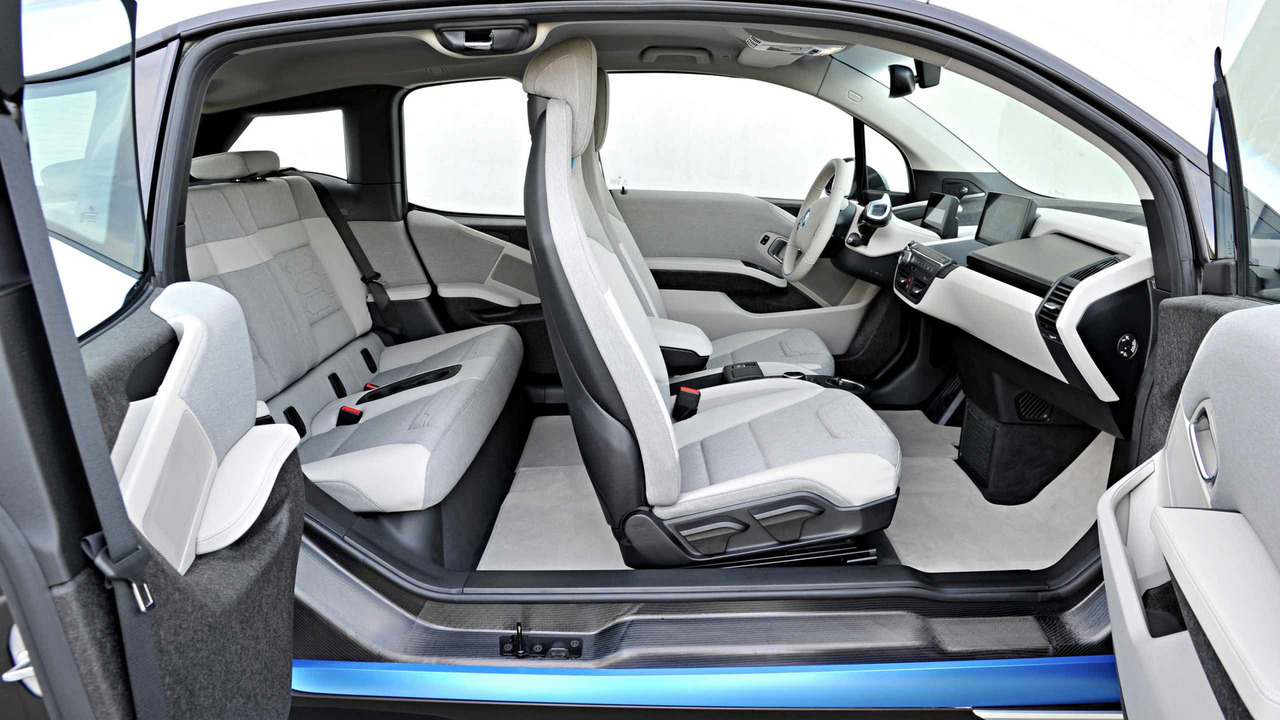
There’s extra legroom in the front where the engine would normally go. There’s no center console because there’s no driveshaft to accommodate. The interior floor is completely flat because not only do the electric components take up less space, but they are much more flexible in how they can be laid out.
Skeuomorphic design is inextricably linked to semiotics in that people, whether they realize it or not, do a visual reading of objects to determine their purpose. The i3 apparently did not read “automobile” to most people and BMW got the message loud and clear. They have already announced the i4 and it looks like every other car BMW has made in the past ten or so years.
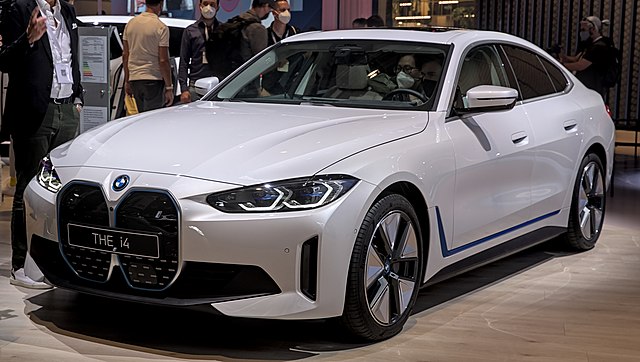
It even has a grill for the non-existent radiator, a pure skeuomorph.
Blog entry for Media and Visual Literacy class

I came across this Conair brand grooming kit and was a bit stricken by the product design.
Conair is a long-standing manufacturer of grooming supplies including combs, hairdryers, electric razors, and groomers like this one. While I would not normally consider a hair trimmer to be a gendered item, the marketing team at Conair seems to think otherwise. They have taking this basic grooming tool and given it a visual look inspired by (manly!) hand tools. In this case taking the black and yellow motif that is the signature look of DeWalt tools.
The semiotics of this marketing decision are clear: this is no sissy’s groomer. This is a TOOL for GETTING IT DONE. In the broader context of basic grooming equipment, no other company that I could find was applying this type of visual design. Even Conair’s own higher end offerings, marketed towards professionals, had a much more staid design, like this one: https://www.conair.com/c/24b35/chrome-3in1-kit/788.
Obviously women can use professional looking hand tools too, but I think the target audience for this item is men who need every tool they own to evince the kind of tough manliness that comes from knowing how to use TOOLS.
This is an example post, originally published as part of Blogging University. Enroll in one of our ten programs, and start your blog right.
You’re going to publish a post today. Don’t worry about how your blog looks. Don’t worry if you haven’t given it a name yet, or you’re feeling overwhelmed. Just click the “New Post” button, and tell us why you’re here.
Why do this?
The post can be short or long, a personal intro to your life or a bloggy mission statement, a manifesto for the future or a simple outline of your the types of things you hope to publish.
To help you get started, here are a few questions:
You’re not locked into any of this; one of the wonderful things about blogs is how they constantly evolve as we learn, grow, and interact with one another — but it’s good to know where and why you started, and articulating your goals may just give you a few other post ideas.
Can’t think how to get started? Just write the first thing that pops into your head. Anne Lamott, author of a book on writing we love, says that you need to give yourself permission to write a “crappy first draft”. Anne makes a great point — just start writing, and worry about editing it later.
When you’re ready to publish, give your post three to five tags that describe your blog’s focus — writing, photography, fiction, parenting, food, cars, movies, sports, whatever. These tags will help others who care about your topics find you in the Reader. Make sure one of the tags is “zerotohero,” so other new bloggers can find you, too.

 Dan Gitlin