In 2013 BMW introduced their first fully electric car in the US. It was a subcompact city car called the i3. It represented a significant rethinking of how cars could function in terms of power, utility, and visuals. It was discontinued this year due to dismal sales figures: only 851 were sold in the US 2021 (BMWblog).

BMW now says that most of their line will be fully electric by 2025, but the new designs are no longer significantly rethunk. They just look like cars. They are skeuomorphs.
A skeuomorph is a design feature whereby an object is made to look like a different object that previously served the same purpose. We see this type of design pop up often in computer user interfaces to make software use more intuitive. For example, the calendar app in most devices visually resembles the paper calendar that used to hang in most offices. In music software, various effects are visually designed to look like their hardware counterparts. This type of design makes things easier to use at the cost of some visual efficiency.
Getting back to cars, we see skeuomorphs almost everywhere on the dashboard. None of those gauges in a modern car are mechanically coupled to anything, they are digitally controlled representations presented in a way that drivers are used to seeing because cars have always (with a few exceptions) used gauges to show things like fuel level, RPM, speed, etc.
When BMW released the i3, there was nothing else like it on the road. The designers recognized that an electric vehicle (EV) did not have to account for the same type of problems that an internal combustion engine presented. There is no radiator to spew excess heat, no toxic exhaust fumes to be routed away from the occupants, no gas tank taking up space under the back seat. It was designed to take full advantage of this lack of restrictions.
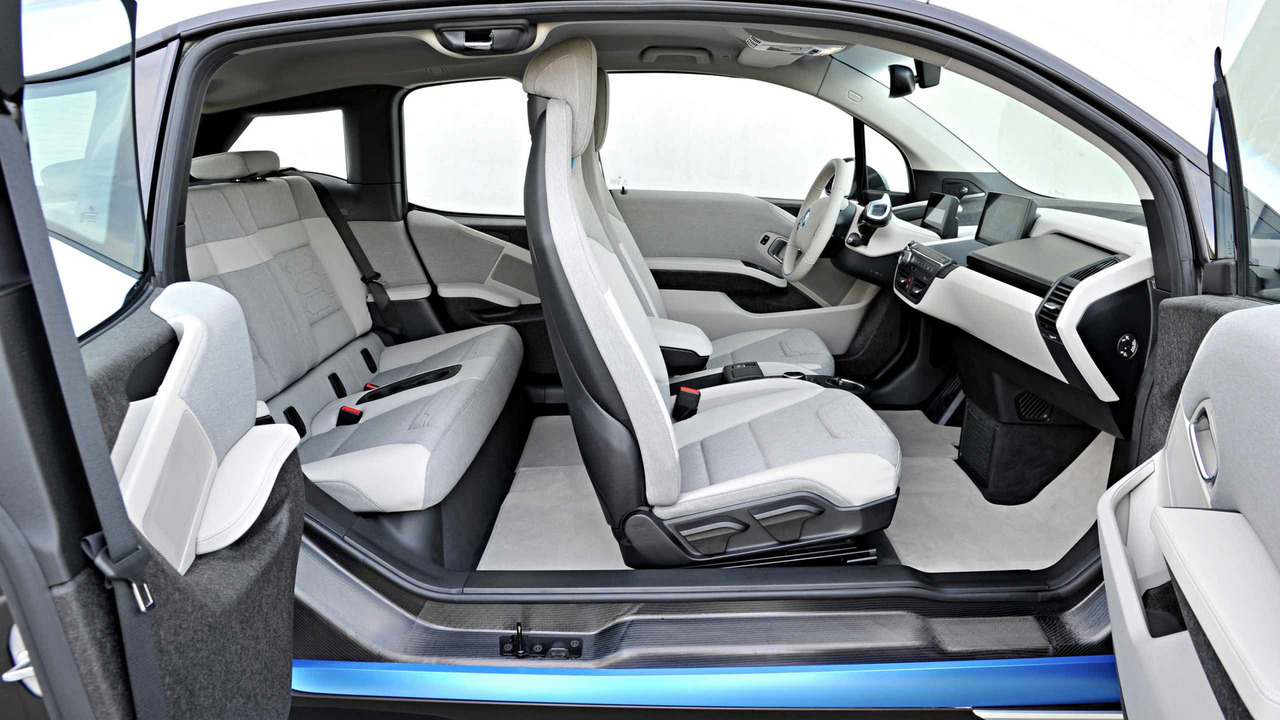
There’s extra legroom in the front where the engine would normally go. There’s no center console because there’s no driveshaft to accommodate. The interior floor is completely flat because not only do the electric components take up less space, but they are much more flexible in how they can be laid out.
Skeuomorphic design is inextricably linked to semiotics in that people, whether they realize it or not, do a visual reading of objects to determine their purpose. The i3 apparently did not read “automobile” to most people and BMW got the message loud and clear. They have already announced the i4 and it looks like every other car BMW has made in the past ten or so years.
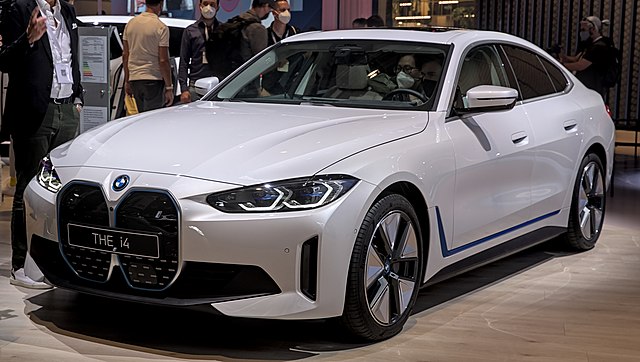
It even has a grill for the non-existent radiator, a pure skeuomorph.
 Dan Gitlin